


The Emergency Tech Show (ETS) 2026 was once again a resounding success. Spread across two days at the NEC, Birmingham, the show welcomed 5,785 visitors, 132 exhibitors and delivered 11.8% year-on-year attendee growth.
For Cinos, this year’s event was particularly significant. Returning to ETS for the third consecutive year, the show provided an opportunity to share how we are helping emergency services modernise critical communications, public contact and collaboration in response to changing operational demands and rising public expectations.
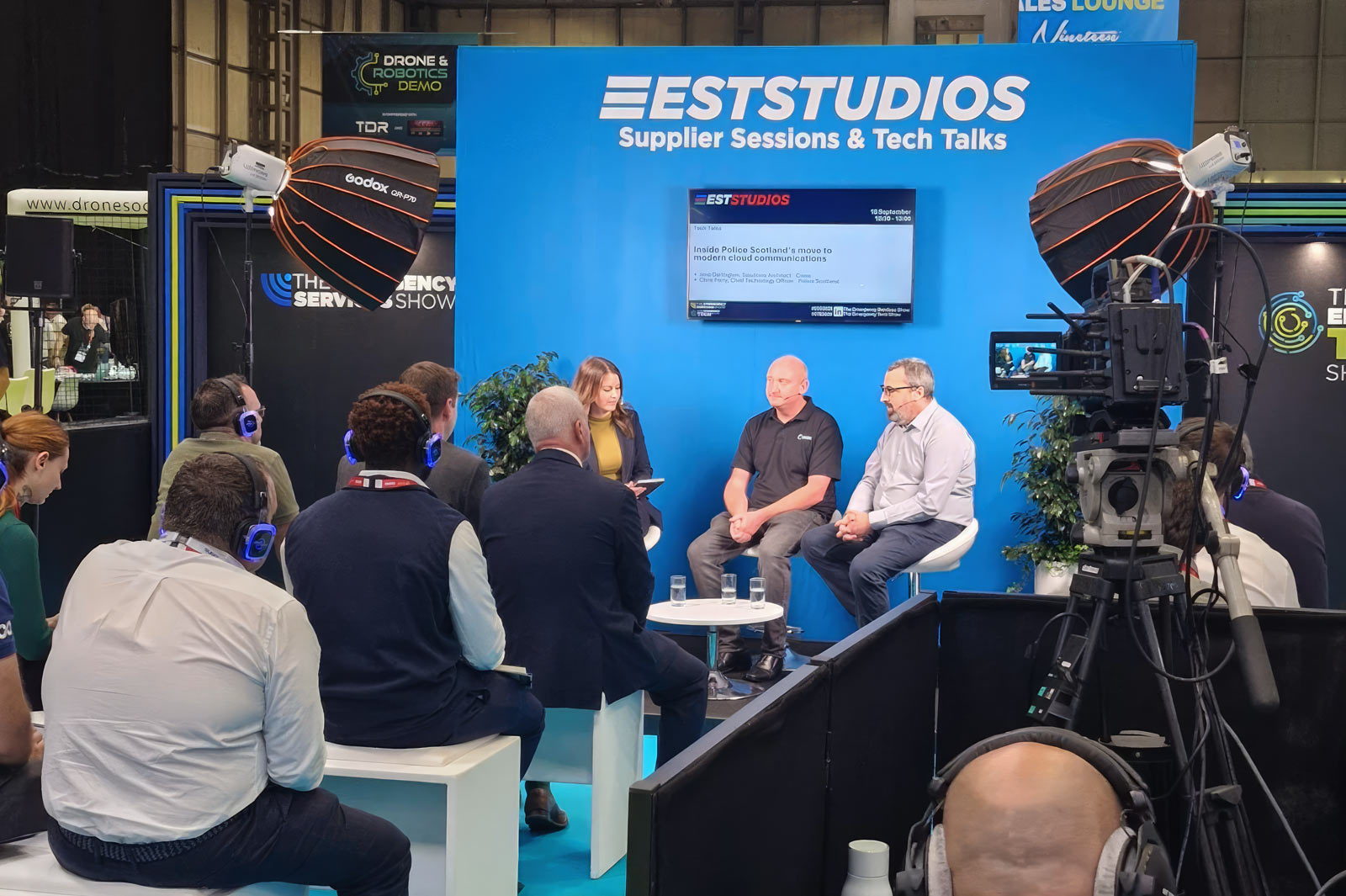
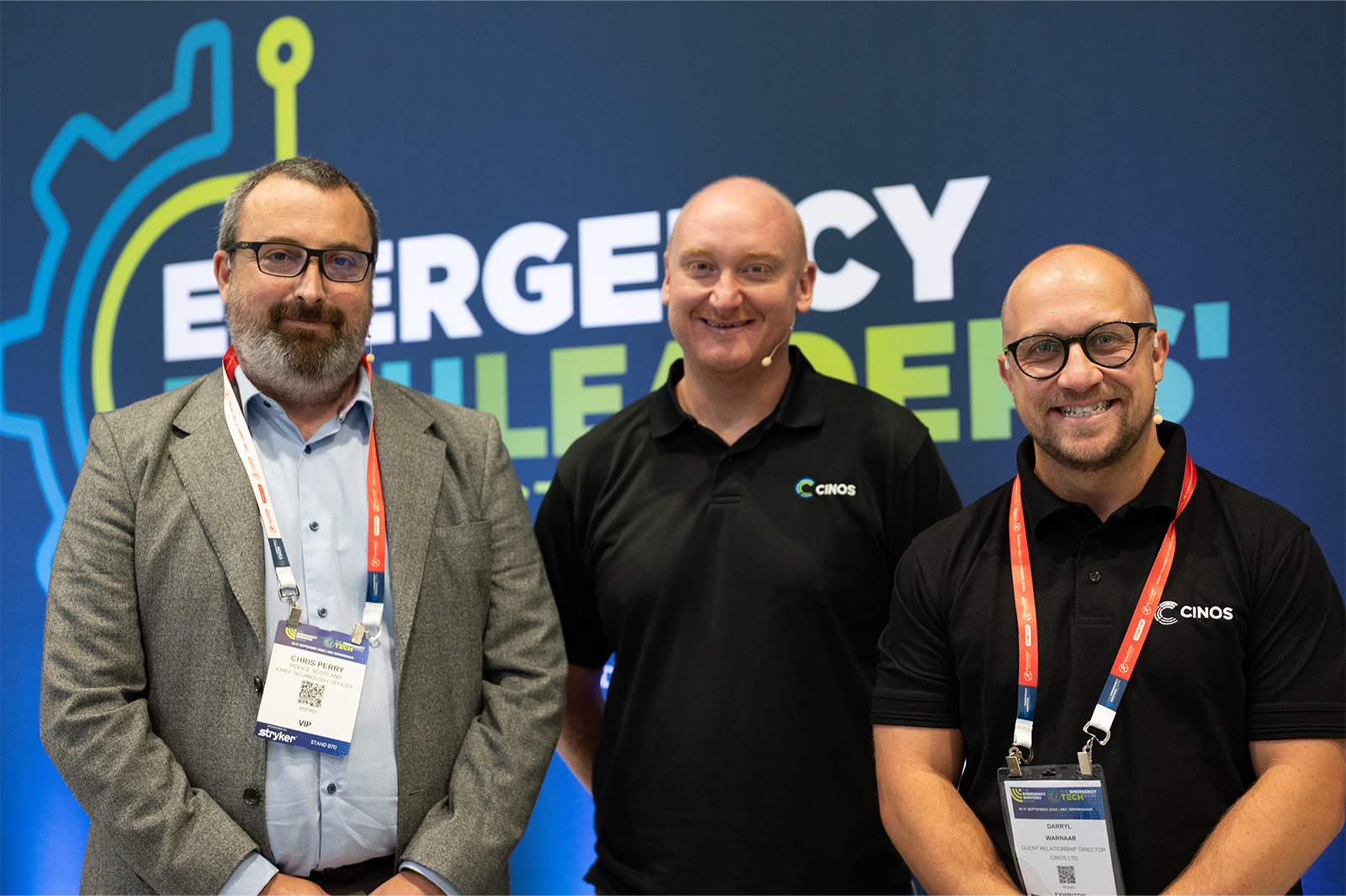
A highlight of the show was the opportunity to welcome Chris Perry, CTO at Police Scotland, to the stage alongside Jono Darlington, Senior Solutions Architect at Cinos, for two keynote sessions. Exploring one of the UK’s most ambitious communications transformation programmes, together they shared the challenges, lessons learned and outcomes from Police Scotland’s journey to modernise communications and public contact at a national scale.
Inside Police Scotland’s Communications Transformation Journey

Speakers
Host
Recorded at
Following the creation of a single national police force, Police Scotland inherited a complex technology landscape spanning hundreds of locations, thousands of users and numerous legacy telephony systems. As communications infrastructure reached end of life and new ways of working emerged, the organisation needed a resilient platform that would improve collaboration, enhance public contact and provide a foundation for long-term service transformation.
During the discussion, Chris Perry shared how Police Scotland sought a technology partner that understood the realities of policing and could support an evolving transformation programme. Rather than defining the project around a specific technology or hardware replacement, the organisation adopted an outcomes-based procurement approach, identifying a partner capable of supporting its long-term objectives while providing the flexibility needed to respond to changing operational demands and emerging requirements.
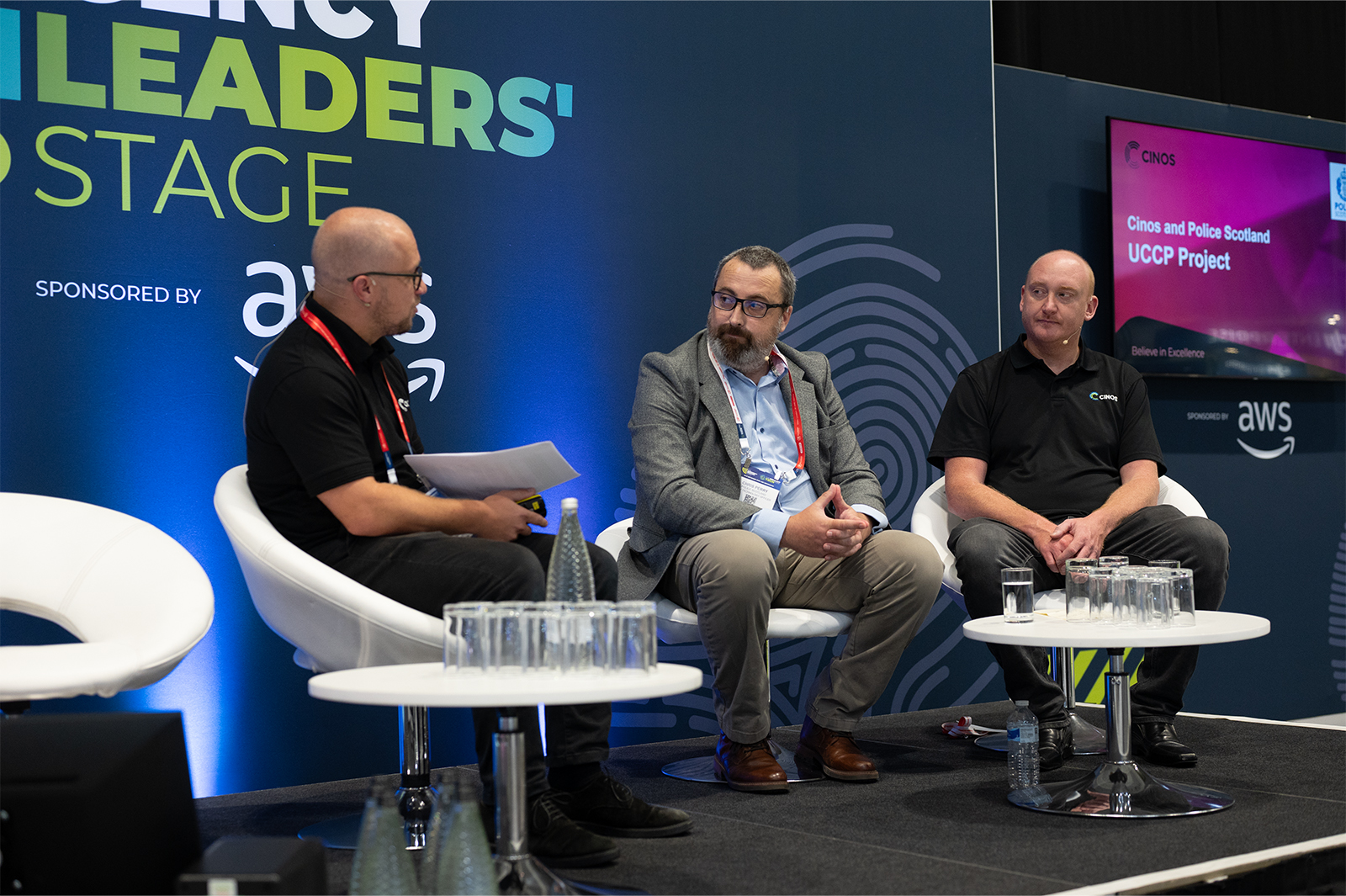

Building on that vision, Jono Darlington explained how the platform was designed to bring together communications, contact centre and collaboration capabilities, while integrating with the wider operational systems used by Police Scotland. By creating a connected communications environment, officers and staff could access the information and tools they needed more efficiently, helping support better decision making and more effective public service delivery.
With more than 22,000 users, 300 locations and over 120 legacy PBX systems, however, modernising communications at national scale represented a significant undertaking. Recognising the scale of the programme, Louise Gookey asked how Police Scotland and Cinos were able to modernise communications while ensuring critical services remained available throughout the transition.
Through a phased approach delivered in partnership between Police Scotland and Cinos, the programme has now transformed communications and public contact services across the organisation. Chris Perry highlighted how the benefits are already being realised in practice, from enabling officers deployed overseas to stay connected through Webex to making it easier for staff to identify and contact the right colleagues through an integrated directory.
By creating a resilient foundation for communications, collaboration and public contact, Police Scotland is now well positioned to explore new opportunities around AI, automation and enhanced citizen engagement while continuing to evolve the services it provides to communities across Scotland.
Looking Beyond ETS 2026
The discussion with Chris Perry offered valuable insight into how emergency services organisations can approach communications transformation while maintaining operational continuity, enhancing collaboration and creating a foundation for future innovation.
The discussions resonated with the themes outlined in the Government’s From Local to National: A New Model for Policing white paper, which highlights the growing importance of connected operating models, national capabilities and technology platforms that can evolve alongside future requirements. Having supported Police Scotland’s transition from multiple disparate communications environments to a single national platform, Cinos has first-hand experience of the opportunities and challenges associated with transformation at this scale.
More broadly, those themes were reflected throughout ETS 2026. Across the exhibition floor, keynote theatres and conversations on the Cinos stand, emergency services leaders were exploring many of the same challenges, from modernising legacy infrastructure and improving public contact to strengthening resilience and preparing for the opportunities presented by automation and AI.
 |
As Cinos concludes its third consecutive year at ETS, we’d like to thank everyone who visited our stand, attended our speaking sessions and shared their experiences over the two-day event. We look forward to continuing those conversations and supporting emergency services organisations as they evolve the services, technologies and experiences that connect them with the communities they serve. |
|
|---|---|---|
| Jono Darlington
Senior Solutions Architect, Cinos
|
If you’d like to learn more about how Cinos is helping emergency services organisations modernise critical communications, public contact and collaboration, get in touch with our team. We’d welcome the opportunity to discuss your requirements and explore how we can support your transformation journey.


